
The Israel-Iran conflict, a longstanding geopolitical rivalry, has escalated into a direct military confrontation in June 2025. This article provides an overview of the conflict’s origins, recent developments, and its broader implications.
Origins of the Conflict
The animosity between Israel and Iran dates back to the 1979 Islamic Revolution in Iran, which led to the establishment of a theocratic regime opposed to Israel’s existence. Over the years, Iran has supported groups hostile to Israel, including Hezbollah in Lebanon and various Palestinian factions. Israel, in turn, has conducted operations aimed at curbing Iran’s influence in the region.
Recent Escalation: June 2025
In June 2025, the conflict intensified dramatically:
- Israel’s Airstrikes: On June 13, Israel launched “Operation Rising Lion,” deploying over 200 aircraft to target Iranian nuclear facilities and military sites in Natanz, Tabriz, and Tehran. The strikes resulted in significant damage and reportedly set back Iran’s nuclear program by years. timesofindia.indiatimes.com
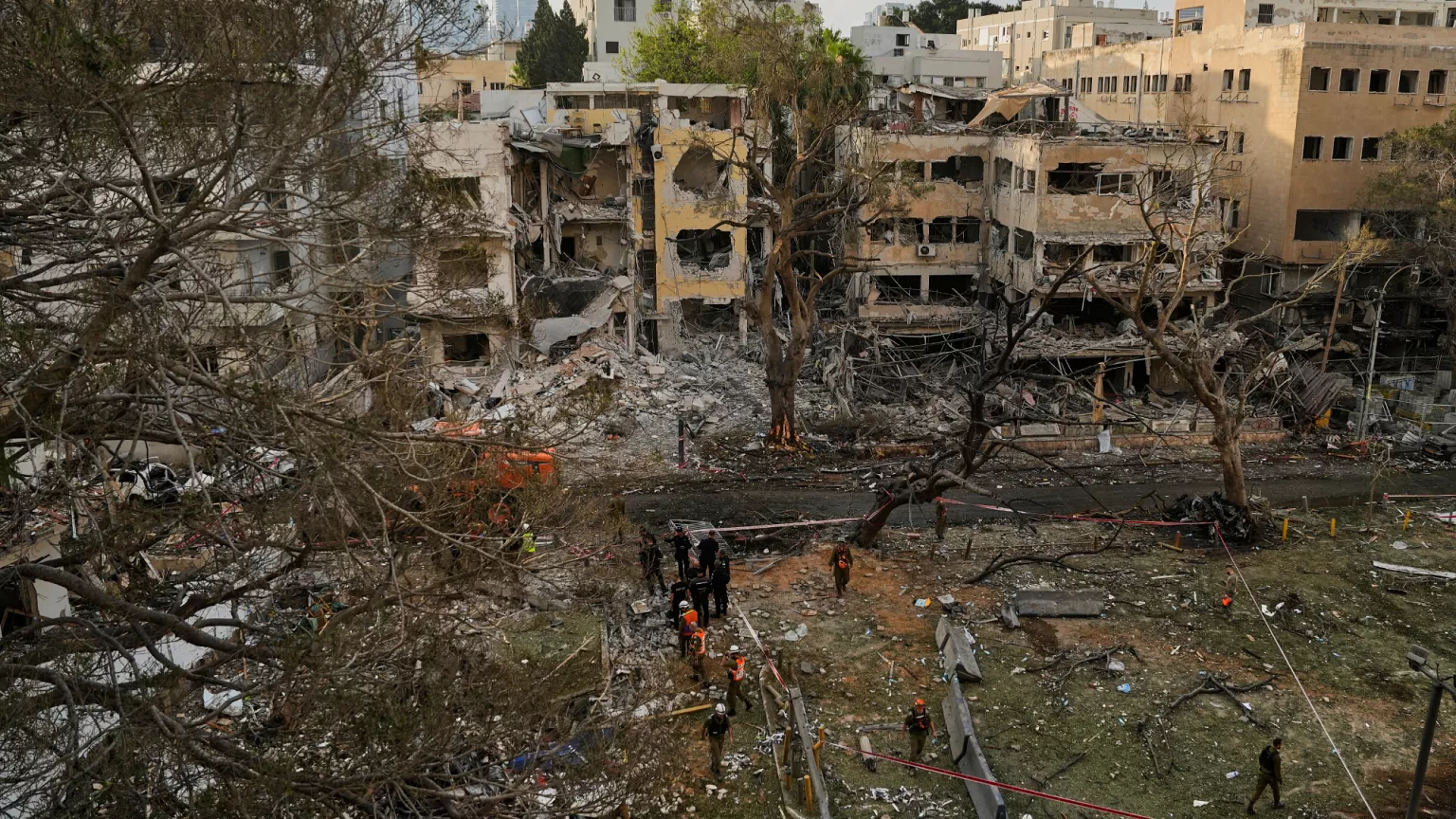
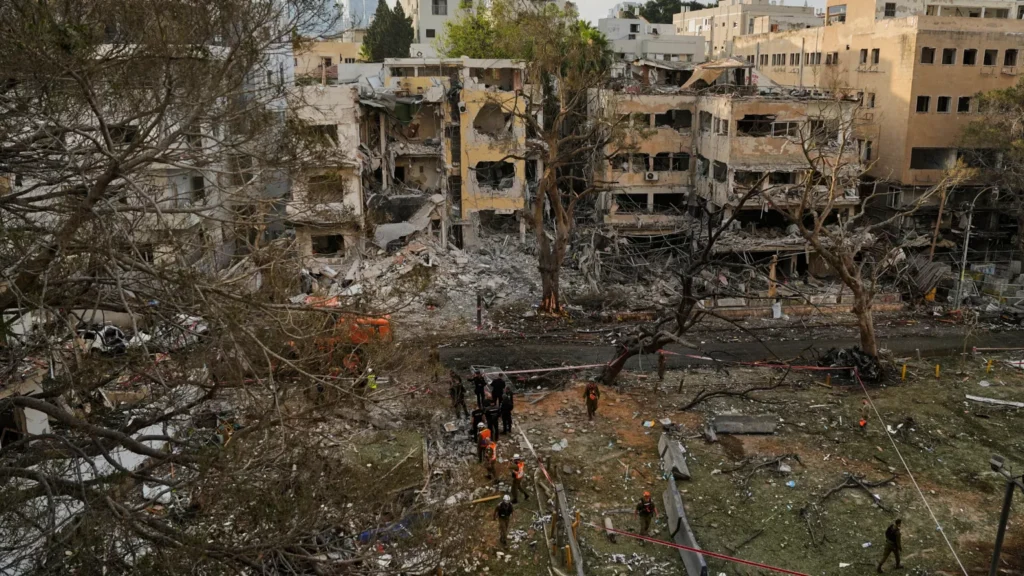
- Iran’s Retaliation: In response, Iran initiated “Operation True Promise III,” firing over 150 ballistic missiles and more than 100 drones at Israeli cities, including Tel Aviv, Haifa, and Bat Yam. The attacks caused civilian casualties and infrastructure damage. en.wikipedia.org+2en.wikipedia.org+2en.wikipedia.org+2
- Casualties: As of June 16, at least 224 Iranian civilians have been killed, with over 1,400 wounded. In Israel, 24 civilians have died, and over 700 have been injured. aljazeera.comen.wikipedia.org
Broader Implications
- Regional Stability: The conflict has disrupted global oil markets, particularly affecting countries in Africa and Asia that rely on energy imports from the Middle East. Disruptions in maritime trade routes, such as the Red Sea, have further exacerbated economic challenges. qiraatafrican.com+1asiabusinessoutlook.com+1
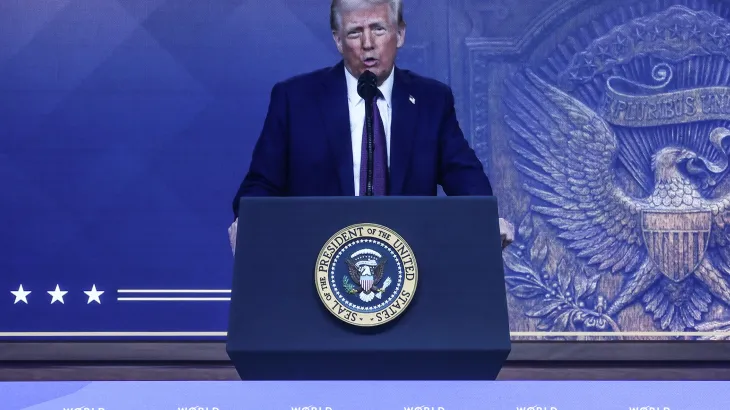
- Global Security: The escalation has raised concerns about the potential involvement of other nations, including the United States. President Donald Trump has indicated that the U.S. may enter the conflict if American interests are targeted. aljazeera.com+2theaustralian.com.au+2thesun.ie+2
- Cyber Warfare: Both nations possess advanced cyber capabilities, and the conflict has seen cyberattacks targeting critical infrastructure, financial systems, and communication networks. arabnews.com
Conclusion
The Israel-Iran conflict has evolved from a series of proxy engagements into a direct military confrontation with significant regional and global repercussions. The international community continues to call for restraint and dialogue to prevent further escalation. The situation remains fluid, and ongoing developments will determine the future trajectory of the conflict.


 By
By