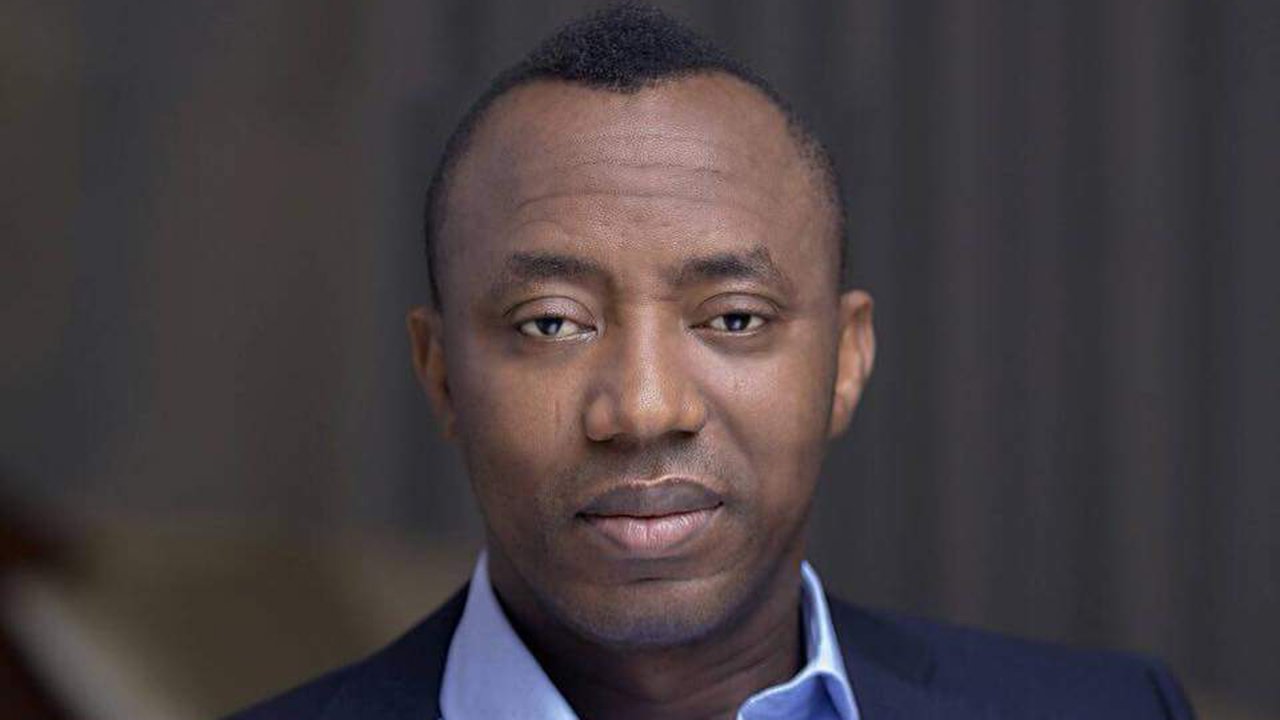

The Nigeria Police Force has clarified the circumstances surrounding the arrest of human rights activist Omoyele Sowore, stating that he was apprehended for allegedly leading protesters into a restricted area in Abuja, in violation of a court order.
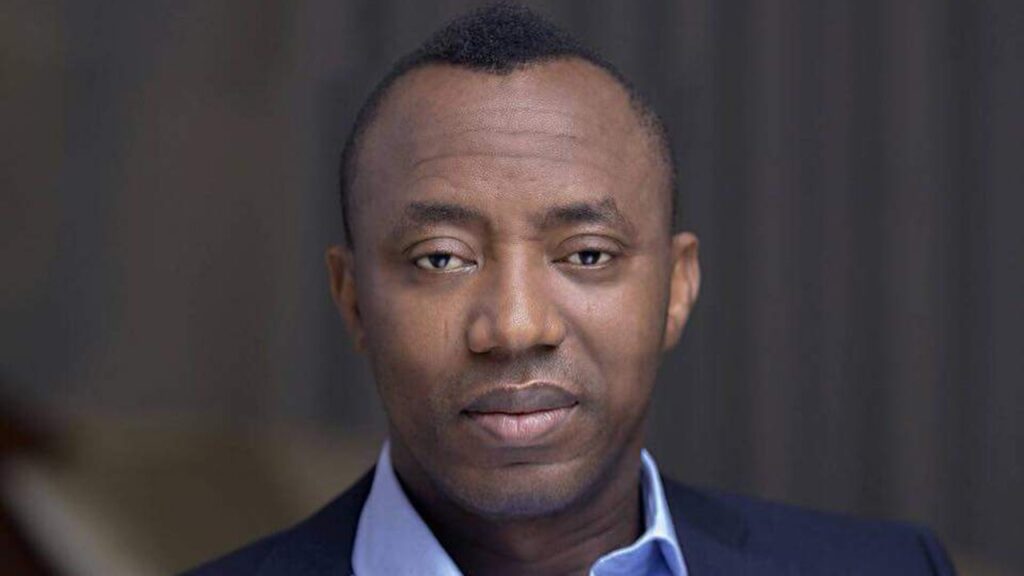
Police Statement on Sowore’s Arrest
In a media briefing on Thursday, Force Public Relations Officer CSP Benjamin Hundeyin explained that Sowore was arrested to ensure fairness in the ongoing prosecution of individuals involved in a recent protest. He emphasized that previous detainees had implicated Sowore as the leader who directed them into the restricted area, making his arrest necessary for equitable legal proceedings.
Hundeyin further stated that Sowore would not be detained for more than 24 hours and that arrangements were being made to arraign him promptly.
Background of the Protest
The arrest occurred shortly after Sowore’s appearance at the Federal High Court in Abuja, where he had attended proceedings related to Nnamdi Kanu, the detained leader of the Indigenous People of Biafra (IPOB). Sowore has been an outspoken advocate for Kanu’s release and had previously led a protest in Abuja demanding his freedom.
The protest, organized under the #FreeNnamdiKanu movement, had been conducted in defiance of a court order that restricted demonstrations in certain areas of the city. The police had previously arrested 13 individuals in connection with the protest for violating the court order.
Legal Proceedings
Sowore is expected to face charges related to his involvement in the protest. The police have indicated plans to arraign him in court as soon as possible, in line with legal procedures.
The arrest has drawn attention to the balance between maintaining public order and upholding the right to peaceful assembly. It also underscores the ongoing tensions surrounding the #FreeNnamdiKanu movement and the broader issues of political dissent and protest in Nigeria.
As the legal process unfolds, it will be important to monitor how the case develops and whether it influences future demonstrations and the enforcement of court orders related to public gatherings.

 By
By