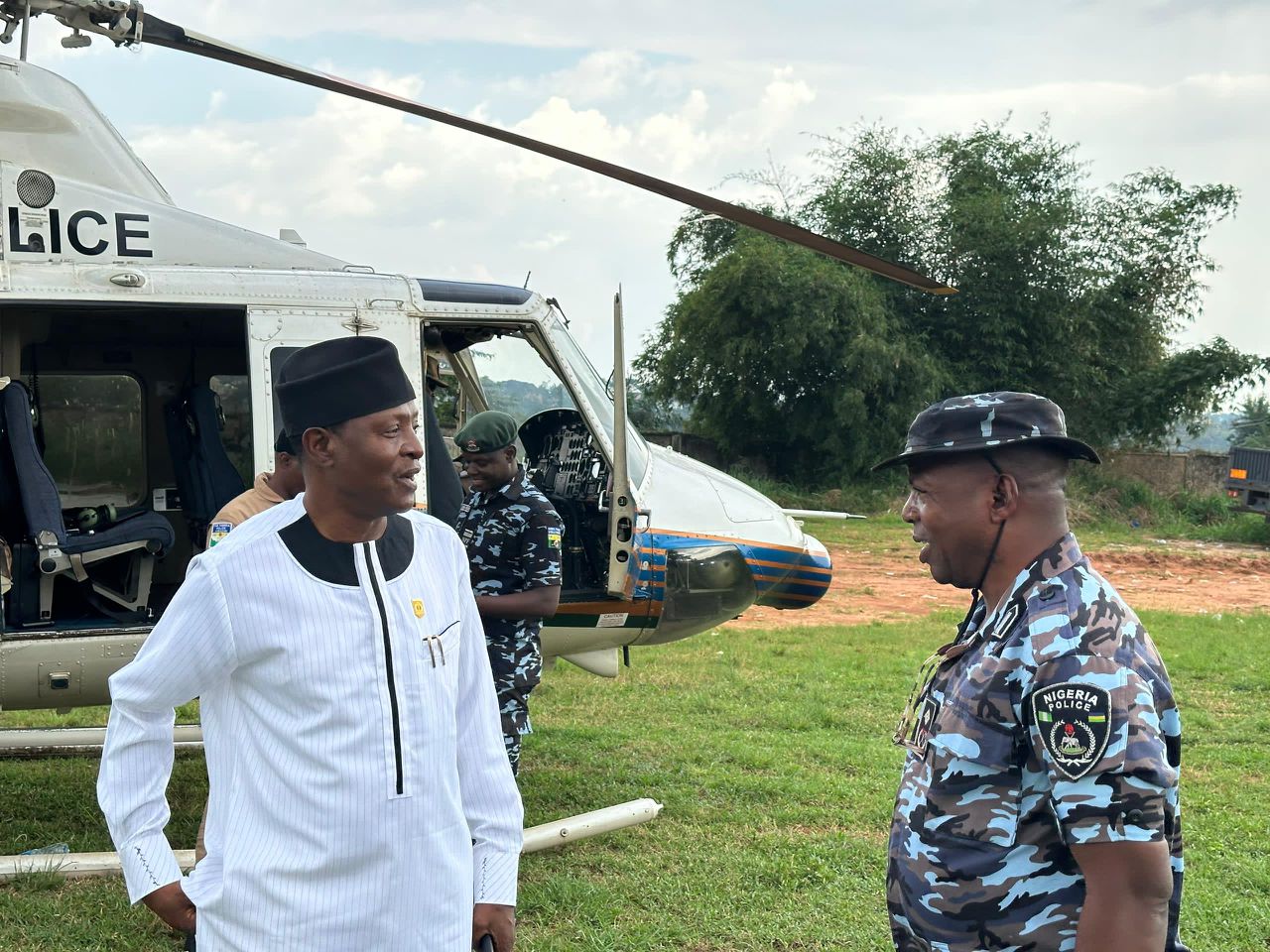

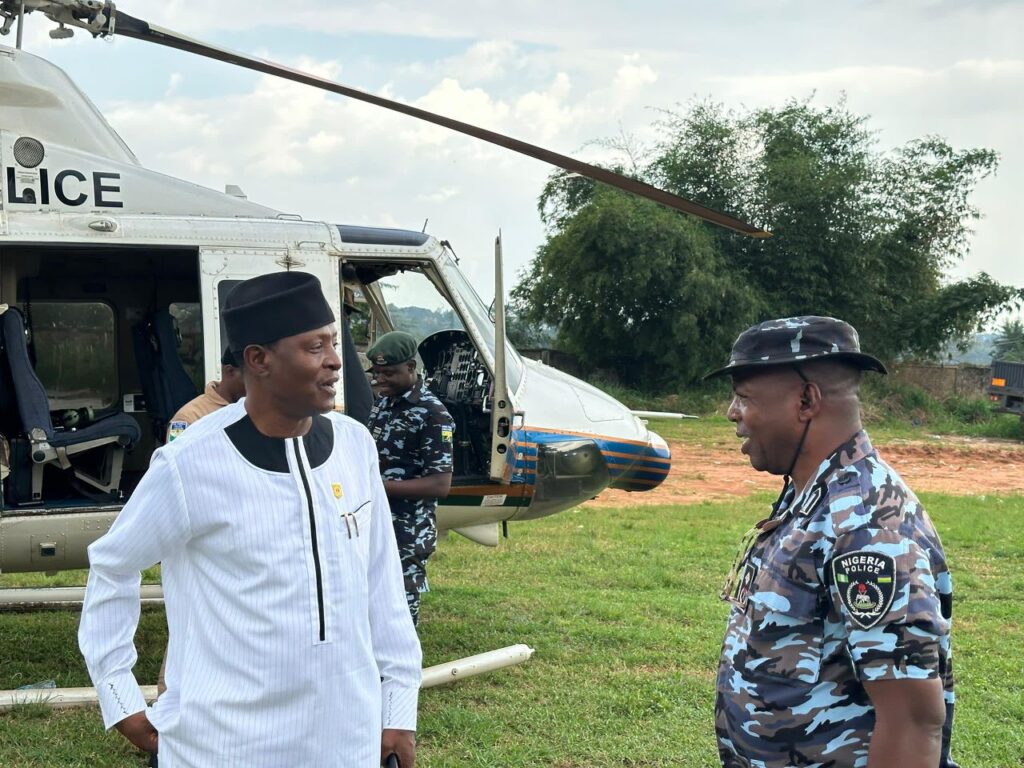
As the Anambra State gubernatorial election draws closer, the Nigeria Police Force (NPF) has intensified security operations across the state, deploying helicopters and drones to support ground personnel and ensure a peaceful electoral process.
Heightened Security Measures
The deployment was approved by the Inspector-General of Police, Kayode Adeolu Egbetokun, and executed through the Force Headquarters’ Advance Tactical Teams, now stationed in Awka. According to the State Police Command’s Public Relations Officer, Tochukwu Ikenga, the move is part of a broader strategic plan to guarantee a “hitch-free governorship election.”
The aerial assets—helicopters and drone units—will conduct surveillance over key areas, border communities, and identified flashpoints. Meanwhile, ground teams will continue with robust patrols, checkpoints, and intelligence-driven operations across all 21 Local Government Areas (LGAs) in the state.
The State Commissioner of Police, Ikioye Orutugu, described the operation as a coordinated effort designed to enhance visibility policing, rapid intervention, and real-time response to potential security threats. Residents have been urged to remain calm, stay vigilant, and report any suspicious movements through the police command’s emergency hotlines.
Why the Deployment Matters
- Enhanced Coverage – The combination of aerial surveillance with ground patrols provides wider operational reach, especially in remote and border areas.
- Deterrence Factor – The visible deployment of advanced security assets serves as a deterrent to those planning to disrupt the election.
- Real-Time Intelligence – Drones and helicopters will offer live data feeds, enabling faster decision-making and timely intervention in emergencies.
- Boosting Electoral Confidence – Voter safety is crucial to free and fair elections. A strong security presence helps reassure the electorate.
- Coordination Challenge – Effective use of these assets depends on seamless communication between aerial teams and ground forces.
Key Issues and Considerations
- Cost and Resource Management – Aerial surveillance is resource-intensive. Transparency in its use will be important to ensure accountability.
- Technology and Human Capacity – Advanced tools are only as effective as the personnel handling them and the speed of their response.
- Identifying Flashpoints – The success of this operation depends on accurate intelligence and proactive risk assessment.
- Respect for Civil Rights – Security forces must operate within legal frameworks and avoid any form of voter intimidation.
- Public Cooperation – Security efforts can only succeed with the active support and trust of citizens.
Outlook
With the governorship election scheduled for November 8, the enhanced security deployment aims to create a safe and credible voting environment. The coming days will test the synergy between aerial surveillance units and ground tactical teams.
If properly managed, this operation could serve as a model for future elections in Nigeria—demonstrating how modern policing tools can reinforce democracy through safety and order. However, poor coordination or overreach could undermine public trust and raise concerns about excessive force or wasted resources.
Would


 By
By