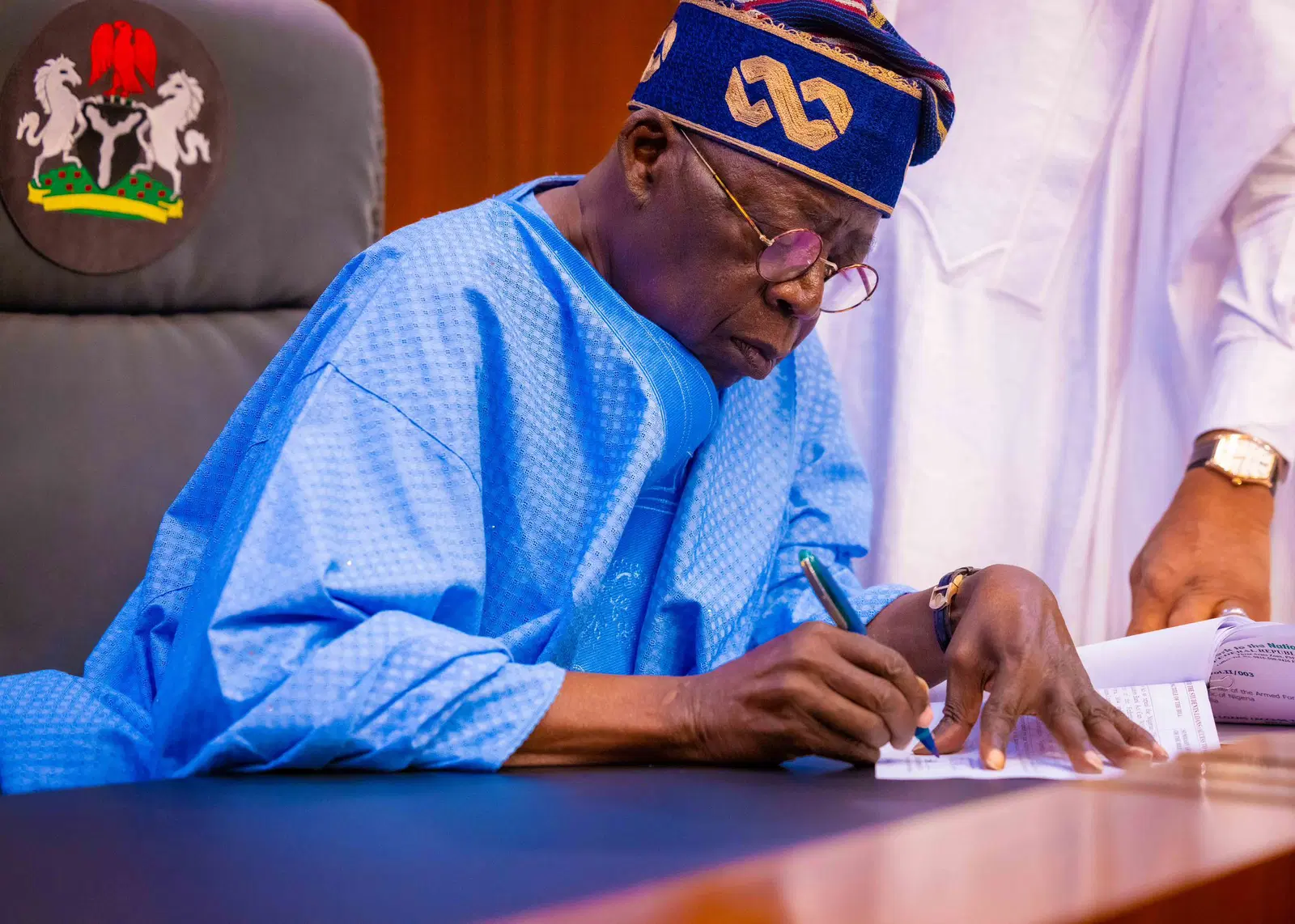

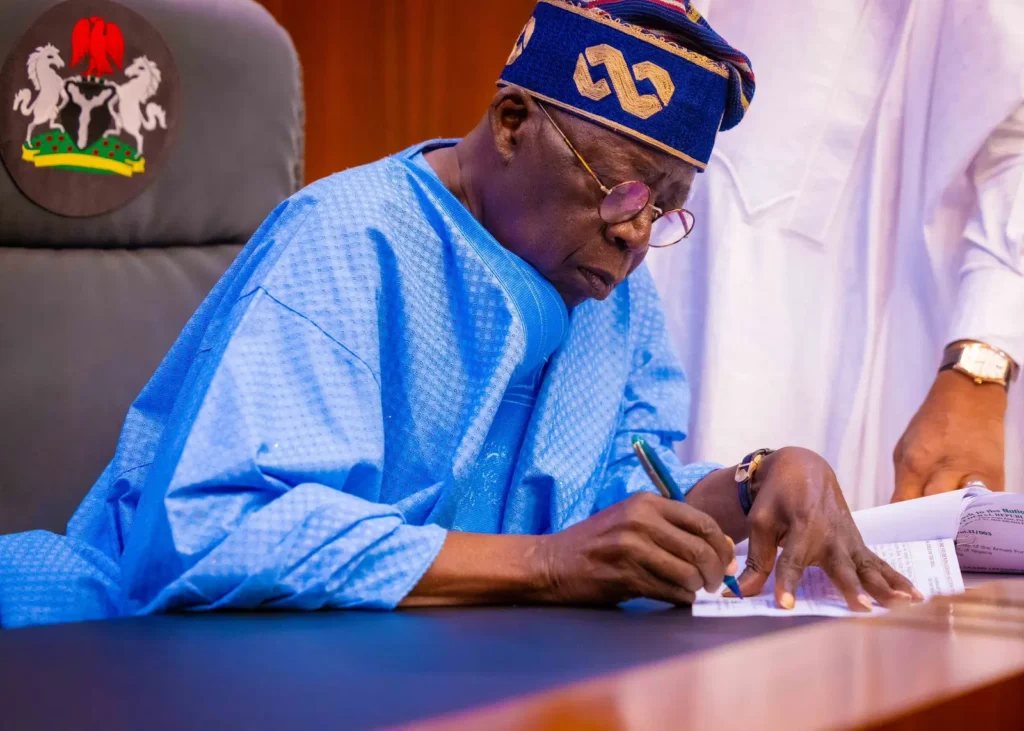
President Bola Ahmed Tinubu has praised Nigeria’s re-election into the International Maritime Organization (IMO) Council after a 14-year absence, describing the development as a major diplomatic and strategic achievement for the nation. Nigeria secured a seat in Category C of the IMO Council for the 2026–2027 biennium during the IMO General Assembly held in London.
Nigeria’s Return After 14 Years
Nigeria’s return to the IMO Council marks a significant comeback to the global maritime decision-making arena. Category C is reserved for countries with special interests in maritime transport and navigation, and membership provides a vital platform for influencing international maritime policies, safety standards, and environmental regulations.
The victory reaffirms Nigeria’s status as a key maritime player in West and Central Africa and reflects renewed trust in the nation’s commitment to maritime governance and reform.
Diplomatic Efforts Behind the Win
The successful election followed a year-long diplomatic campaign led by the Minister of Marine and Blue Economy, Adegboyega Oyetola. He embarked on extensive international engagements, meeting with maritime blocs, global partners, and IMO member states to advocate for Nigeria’s reinstatement.
Oyetola described the outcome as a landmark endorsement of Nigeria’s reforms under President Tinubu’s leadership. He highlighted that the win demonstrates growing global confidence in Nigeria’s efforts to modernize its maritime sector, strengthen security in the Gulf of Guinea, and expand opportunities within the blue economy.
Strategic Importance of the Victory
Nigeria’s re-election to the IMO Council carries significant implications for the country:
Stronger Influence in Global Maritime Policy
Being on the Council gives Nigeria a direct voice in shaping policies governing maritime safety, shipping standards, environmental protection, and international regulatory frameworks.
Boost for the Blue Economy
The seat enhances Nigeria’s global profile and could attract investment, technical support, and international partnerships targeted at port development, maritime security, shipping, and coastal resource management.
Recognition of Ongoing Reforms
The election signals global acknowledgment of the Tinubu administration’s renewed focus on maritime reforms, including improving port operations, enhancing regulatory efficiency, and advancing maritime security initiatives.
Tinubu’s Reaction and Future Outlook
President Tinubu hailed the achievement as evidence that Nigeria is reclaiming its rightful place on the global stage. The administration is expected to leverage this position to deepen its maritime partnerships, strengthen the blue-economy agenda, and promote economic growth through increased participation in international maritime affairs.
Nigeria’s return to the IMO Council is more than a diplomatic milestone. It is a strategic step forward that promises long-term benefits for trade, regional influence, maritime security, and economic development.

 By
By