

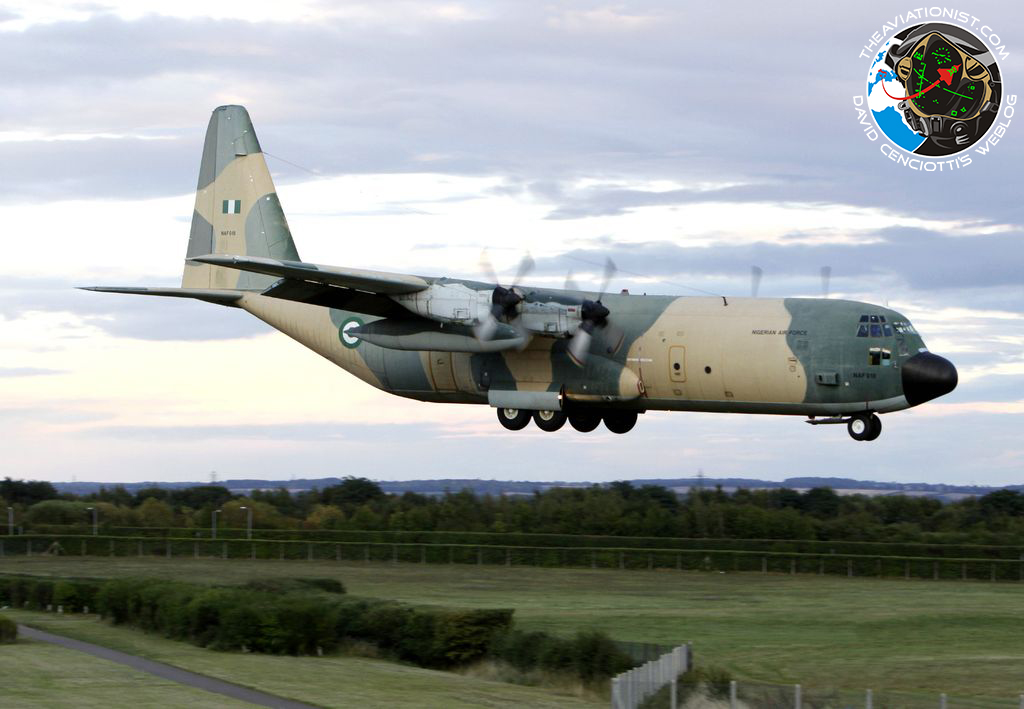
A Nigerian Air Force (NAF) C-130 transport aircraft was grounded in Burkina Faso after authorities in the country accused it of entering their airspace without authorization. The aircraft, which reportedly had 11 military personnel on board, was forced to land in the city of Bobo-Dioulasso, triggering diplomatic tension between the two West African nations.
Burkina Faso’s Position
According to officials in Burkina Faso and the Sahel States Confederation (AES), the aircraft did not obtain the required clearance to fly over the country. The AES—which comprises Burkina Faso, Mali, and Niger—described the incident as an “unfriendly act” and a violation of international aviation protocols.
The alliance further placed its defense systems on heightened alert, issuing a stern warning that future unauthorized aircraft may be “neutralized.” The bloc said it views the flight as a breach of sovereignty at a time of heightened regional sensitivity.
Nigeria’s Clarification
The Nigerian Air Force, however, offered a different account. NAF stated that the aircraft was not intentionally violating airspace but had executed a precautionary landing due to a technical issue during a scheduled ferry mission to Portugal. According to the NAF, the landing followed standard safety protocols and international aviation rules.
Nigeria emphasized that the personnel on board were safe and being treated appropriately by Burkinabè authorities. The Air Force insisted that there was no hostile intent in the flight and that the issue was being handled through diplomatic channels.
Regional and Political Context
This incident comes at a time of strained relations between Nigeria and the AES states. Tensions have been simmering following Nigeria’s recent military involvement in regional political crises, including interventions in neighboring countries. The AES has repeatedly criticized what it views as Nigeria’s increasing assertiveness in regional security matters.
The grounding of the aircraft has raised concerns about potential escalation, particularly given recent shifts in regional alliances and military cooperation.
What Happens Next
Key issues to watch include:
- Whether AES will take further diplomatic or military measures over the incident.
- Nigeria’s next steps to secure the release of the crew and aircraft.
- Whether this event will prompt new airspace coordination agreements between West African states.
- The broader impact on already fragile regional relations.
The situation remains fluid, with both sides exchanging statements while diplomatic discussions continue.
If you’d li


 By
By