
The presidential candidate of the African Democratic Congress (ADC), Atiku Abubakar, has firmly rejected growing calls for him to step down from the 2027 presidential race, insisting that his candidacy remains legitimate and necessary for Nigeria’s democratic future. In the same breath, Atiku launched a sharp critique of President Bola Ahmed Tinubu, questioning his leadership record and capacity to address the country’s deepening challenges.
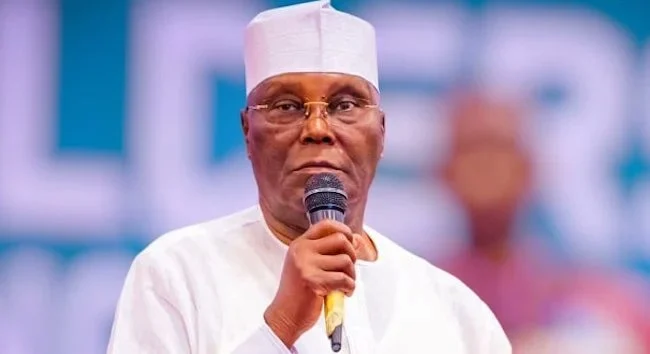
Atiku’s response comes amid internal and external pressure from political actors who argue that generational change and party unity would be better served if he exited the race. Some critics within the opposition space have suggested that Atiku’s repeated presidential bids weaken the chances of emerging leaders and fragment opposition strength.
However, Atiku dismissed such arguments, describing them as distractions orchestrated by political opponents and vested interests. He maintained that the ADC ticket represents a credible alternative to the ruling party and stressed that his experience in governance remains an asset rather than a liability.
Turning his attention to President Tinubu, Atiku accused the administration of failing to provide effective leadership in the face of economic hardship, insecurity, and declining public trust in government. He argued that rising inflation, unemployment, and worsening living conditions are evidence that Nigerians were promised reforms that have yet to materialize.
According to Atiku, the Tinubu-led government has relied heavily on rhetoric while ordinary citizens continue to bear the brunt of policy decisions. He also questioned the transparency and inclusiveness of the current administration, stating that governance should prioritize national unity and accountability rather than partisan loyalty.
The ADC candidate emphasized that his decision to remain in the race is driven by what he described as a moral obligation to Nigerians seeking competent and compassionate leadership. He called on opposition parties and civil society groups to focus on building a broad coalition capable of challenging the ruling party through ideas, policy alternatives, and grassroots mobilization.
As the political landscape gradually shifts toward the next general election, Atiku’s defiance signals that the opposition contest is far from settled. Whether his stance will consolidate support or deepen divisions within the opposition remains a key question in Nigeria’s evolving political drama.

 By
By