
Electricity distribution companies (DisCos) in Nigeria have rejected the Federal Government’s plan to provide prepaid electricity meters to consumers free of charge, raising concerns over funding, implementation, and the long-term impact on the already fragile power sector.
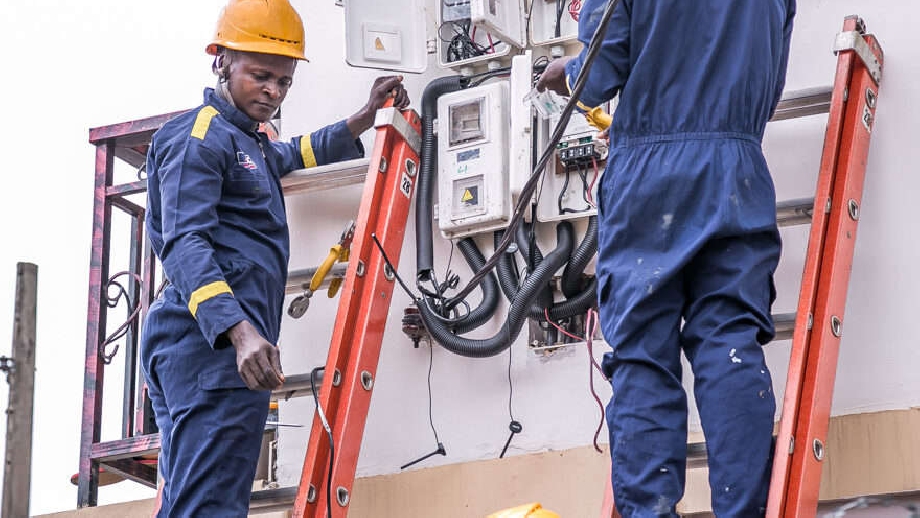
The disagreement followed a recent announcement by the Minister of Power, Adebayo Adelabu, who stated that prepaid meters procured under the World Bank-supported Distribution Sector Recovery Programme would be installed for electricity consumers at no cost. The minister warned that any DisCo or installer found charging customers would face sanctions, noting that the policy was aimed at eliminating estimated billing and improving transparency in electricity consumption.
However, DisCos argue that the policy, while well-intentioned, lacks clarity and places an unfair financial burden on distribution companies. According to industry operators, meters and their installation come at a significant cost, and removing payment obligations from consumers does not eliminate the expense but merely shifts it to the DisCos.
Key Concerns Raised by DisCos
DisCos insist that without a clear funding mechanism, the free meter plan could worsen their financial position. They argue that absorbing the cost of meters without guaranteed recovery through tariffs or government reimbursement could weaken their balance sheets and affect service delivery.
Another major concern is installation logistics. Meter installers are typically independent contractors rather than direct employees of DisCos, raising questions about who will manage and fund the installation process under the new arrangement.
Operators also warn that the announcement could undermine existing Meter Asset Provider (MAP) schemes, which allow customers to acquire meters through approved providers and recoup costs over time via energy credits. A blanket promise of free meters, they say, may confuse consumers and discourage private investment in metering infrastructure.
In addition, DisCos have criticised what they describe as a communication gap, arguing that the government’s statement created the impression that sufficient meters are immediately available for all customers, despite ongoing supply constraints. They fear this could trigger public frustration and increased pressure on distribution companies.
Calls for Engagement
DisCo representatives are calling for dialogue between the Ministry of Power, regulators, and industry stakeholders to clarify how the policy will be funded and implemented. They stress that resolving Nigeria’s metering gap requires collaboration, realistic timelines, and sustainable financing rather than unilateral directives.
Conclusion
While the Federal Government’s free meter plan is designed to protect consumers and end estimated billing, its rejection by DisCos highlights unresolved structural and financial issues within Nigeria’s power sector. Without


 By
By