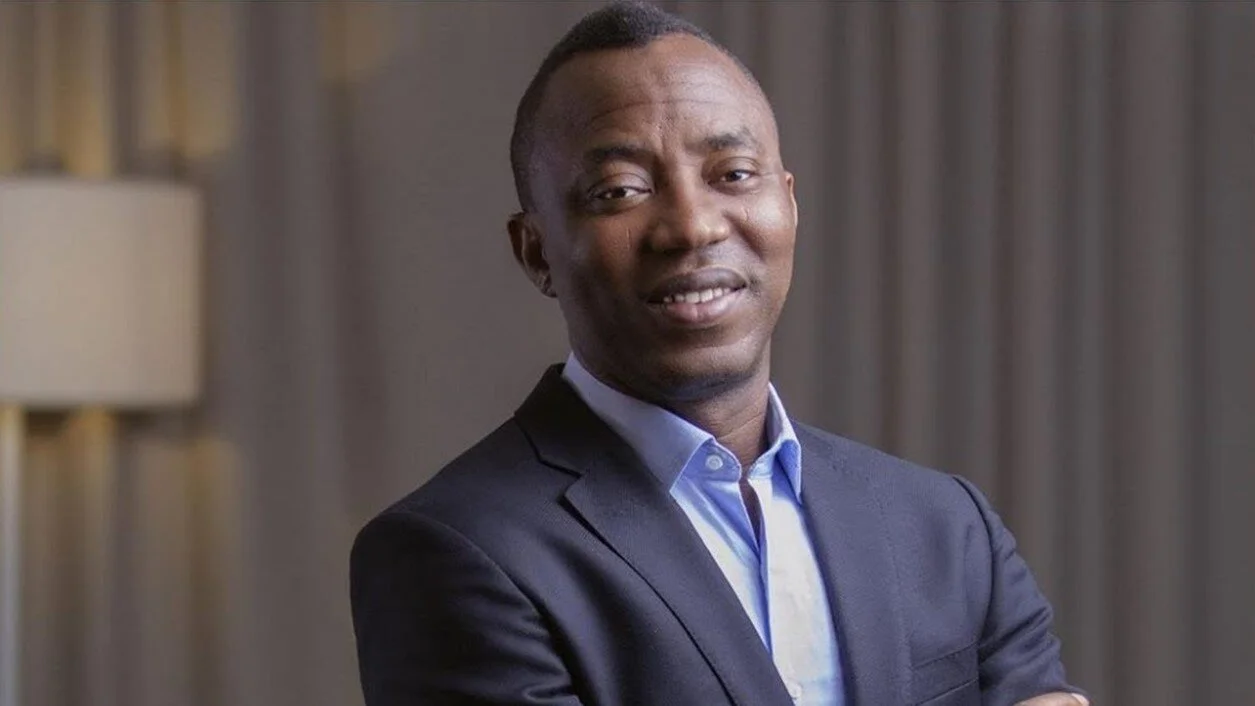

The Department of State Services (DSS) has reportedly summoned Omoyele Sowore, the Nigerian activist, publisher, and former presidential candidate, over a social media post concerning Bola Ahmed Tinubu, the President of Nigeria. This development marks another chapter in the ongoing tense relationship between Sowore and the Nigerian government.
Background
Omoyele Sowore, known for his outspoken activism and critical stance on government policies, has often been at odds with authorities over his posts and protests. Recently, Sowore made a post on social media that referenced President Tinubu in a manner the DSS found objectionable. While the exact content of the post has not been publicly disclosed, sources indicate that the post was considered by the security agency to potentially incite public unrest or defame the President.
The Summons
The DSS summoned Sowore for questioning to clarify the intentions behind his post and to warn against further actions that could disrupt public order. Sowore reportedly complied with the summons and appeared at the DSS office as requested.
The security agency has reiterated its commitment to maintaining national security and public order, emphasizing that while freedom of expression is respected, it must be exercised within the confines of the law.
Public and Media Reactions
The summons has sparked varied reactions from the public and civil society groups. Supporters of Sowore have condemned the DSS action as an attempt to stifle dissent and suppress freedom of speech. They argue that critical commentary, especially on public figures and governance, is a fundamental democratic right.
Conversely, some factions have defended the DSS’s action, stating that responsible expression should not cross into disrespect or incitement, especially when it involves high-ranking government officials.
Sowore’s Response
Omoyele Sowore has historically maintained a firm stance on speaking truth to power. While details of his response to the summons remain limited, it is anticipated that he will use the platform to highlight concerns about government intolerance towards dissenting voices.
Implications
This incident underscores the delicate balance between freedom of expression and national security in Nigeria. It also raises questions about the role of security agencies in policing social media discourse and the boundaries of acceptable criticism against public officials.
Conclusion
As Nigeria continues to navigate its democratic journey, the interaction between activists like Sowore and government institutions will remain pivotal in shaping the country’s political climate. The outcome of this latest summons may set a precedent for how social media criticism of public figures is managed going forward.

 By
By