
As of June 17, 2025, the Israel-Iran conflict has entered its fifth consecutive day, escalating into one of the most intense exchanges between the two nations in recent history. The hostilities have resulted in significant casualties, widespread displacement, and severe economic repercussions, with global markets on edge.
Intensified Military Engagements
The Israeli Defense Forces (IDF) reported a significant development on Tuesday, claiming to have eliminated Iran’s wartime Chief of Staff, Ali Shadmani, in an airstrike. This marks the second such high-profile claim by Israel in less than a week, underscoring the escalating nature of the conflict.
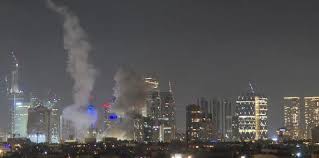
In retaliation, Iran launched over 370 missiles and hundreds of drones at Israel, resulting in at least 24 deaths and over 500 injuries. The Iranian government has termed these strikes as part of “Operation True Promise 3,” signaling a sustained military campaign.
Humanitarian Crisis and Displacement
The conflict has led to a significant humanitarian crisis. Over 100,000 people have fled Tehran, with many seeking refuge in neighboring countries. Hospitals in northern provinces have reported an uptick in stress-related admissions, and the Iranian Red Crescent Society has deployed mobile clinics to major highway junctions and rest areas to assist displaced individuals.
Economic Impact and Market Reactions
Global financial markets have experienced instability due to the ongoing conflict. U.S. stock markets closed lower, with the Dow Jones Industrial Average falling by 1.79% and the S&P 500 by 0.69%. Safe-haven assets like gold saw increased demand, with prices rising over 1%.
Oil prices have surged, with Brent crude rising by 0.5% to $73.57 per barrel. This uptick is attributed to concerns over potential disruptions to oil supplies from the Middle East, particularly through the Strait of Hormuz, a vital energy transit route.
Diplomatic Efforts and International Response
International calls for de-escalation continue, with the United Nations and the International Committee of the Red Cross urging both parties to protect civilians and exercise restraint. The Iranian government has attempted to minimize panic, referring to the Israeli strikes as “isolated terrorist acts” and imposing temporary internet restrictions.
Outlook
The situation remains highly volatile, with no immediate signs of de-escalation. The international community continues to monitor the developments closely, with hopes for a return to diplomacy and a cessation of hostilities.


 By
By