
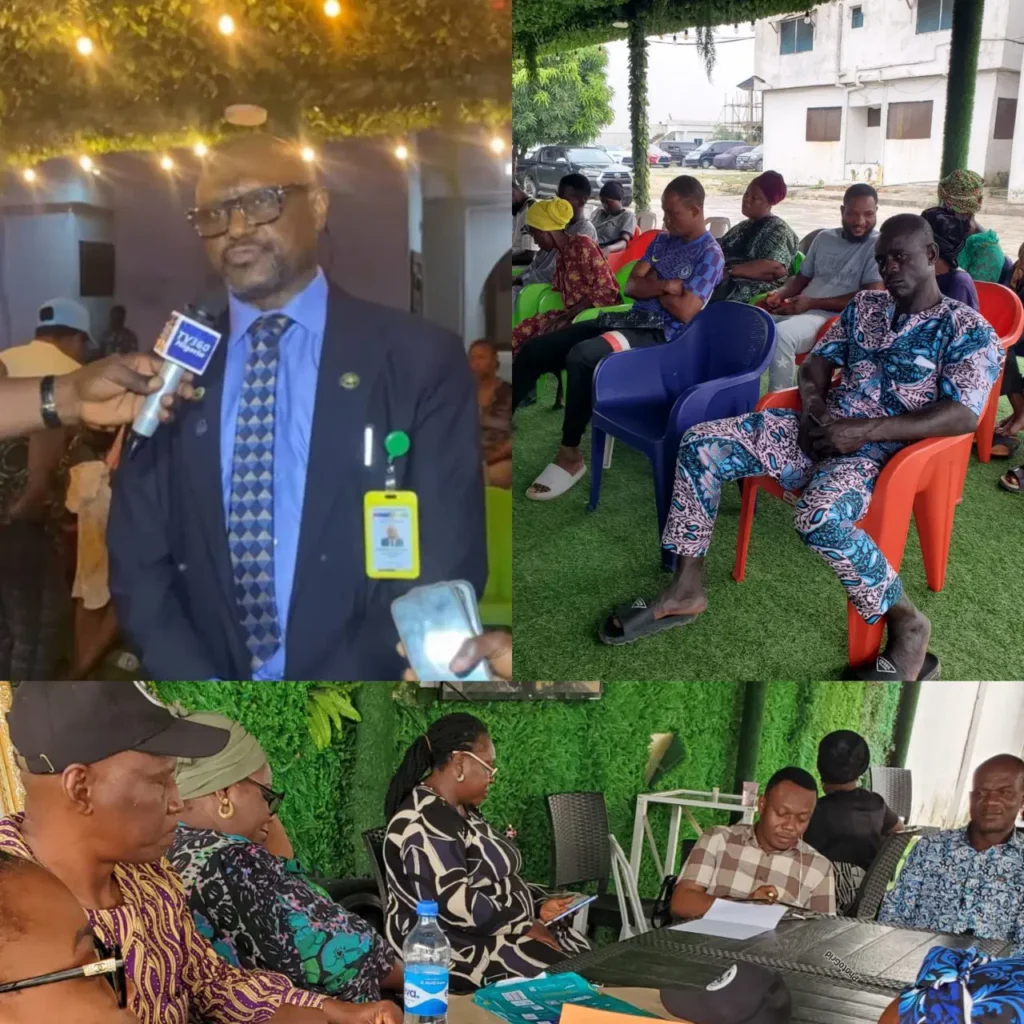
The Oworonshoki community in the Kosofe Local Government Area of Lagos State has entered the second phase of enumeration for compensation of properties affected by the urban regeneration project undertaken by the Lagos State Urban Renewal Agency (LASURA).
What the Enumeration Phase Entails
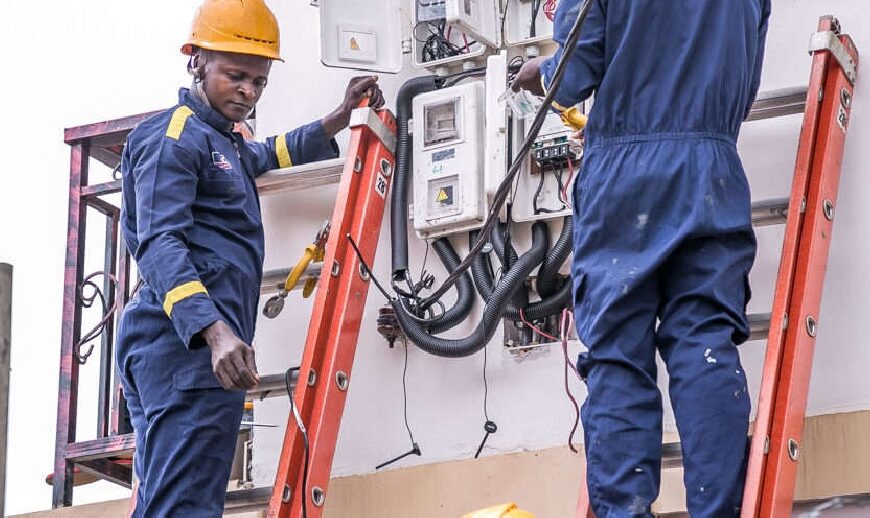
The purpose of the enumeration is to identify and verify all resident property‑owners whose homes or structures were demolished or marked for demolition under the Oworonshoki regeneration plan — to ensure that every eligible claimant is captured and compensated. The first round of enumeration had missed some individuals, prompting the second phase.
The exercise was held at the traditional palace in Oworonshoki and was supervised by LASURA’s General Manager, Town Planner Oladimeji Animashaun, with community leaders, traditional chiefs, and local development associations in attendance.
Why This Stage Matters
- It aims to ensure that no legitimate claimant is left out. Many residents who were not captured during the first enumeration phase have appealed for inclusion. LASURA has responded to that demand.
- For those already verified, compensation payments have begun. The enumeration must properly capture documentation, property types, and location to determine payment amounts.
- The regeneration project is framed not just as clearance of illegal structures but as transformation of Oworonshoki into a well‑planned, modern community with improved infrastructure, drainage, roads and housing. The enumeration and payment phases are central to aligning development with fairness.
Compensation Details and Residents’ Reaction
- According to LASURA, the compensation amounts vary based on property type, size, and location: larger buildings receive higher sums, while kiosks or makeshift structures receive lower amounts.
- A batch of residents (about 80) were identified and compensated in the earlier phase. Some amounts mentioned ranged from ₦3 million to ₦5 million for substantial structures.
- Some beneficiaries expressed gratitude to the Lagos State Government and cited the payments as evidence of the government fulfilling its promise. Others noted that the amount may not fully replace their entire loss but provides relief and recognition of the impact.
Broader Context and Challenges
The regeneration project in Oworonshoki is part of Lagos State’s broader urban renewal agenda, targeting unsafe, dilapidated, or illegally-constructed structures, particularly those built on drainage channels or water‑ways, which pose flooding and environmental risks.
Challenges include:
- Ensuring that the enumeration process is transparent, inclusive, and timely so that no one is unfairly excluded.
- Balancing the need for urban renewal with the protection of residents’ rights, especially for those with informal property titles or who may have been tenants rather than owners.
- Managing expectations, as payments may not fully replace what residents lost, and the transition to a modernised community may take time.
Next Steps
With the second-phase enumeration underway, the next steps are:
- Finalising the list of verified claimants from enumeration.
- Disbursing compensation payments to newly verified residents within days after enumeration. LASURA has indicated that once verification is complete, payments will follow “within a few days at most a week.”
- Initiating the physical aspects of the regeneration — construction of improved housing, roads, drainage, and environmental upgrades — in the cleared areas of Oworonshoki.
- Continuing community engagement, involving traditional rulers, local development associations, civil society, and security agencies to ensure the process remains peaceful and cooperative.
Conclusion
The second phase of enumeration in Oworonshoki signals that the Lagos State Government is moving ahead with its regeneration plan in earnest. The emphasis on inclusive compensation and verification reflects the administration’s promise that urban renewal will be carried out with “development with dignity.” Nonetheless, the success of the exercise will depend on how well the verification is managed, how fairly payments are made, and how smoothly the transition to new infrastructure proceeds. For many residents, this is both a moment of relief and a period of uncertainty.

 By
By