
Lagos, Nigeria — Former Labour Party presidential candidate and ex‑Anambra State governor Peter Obi has raised pointed concerns about the visibility and location of President Bola Ahmed Tinubu, prompting a fresh debate over leadership, accountability, and national priorities.
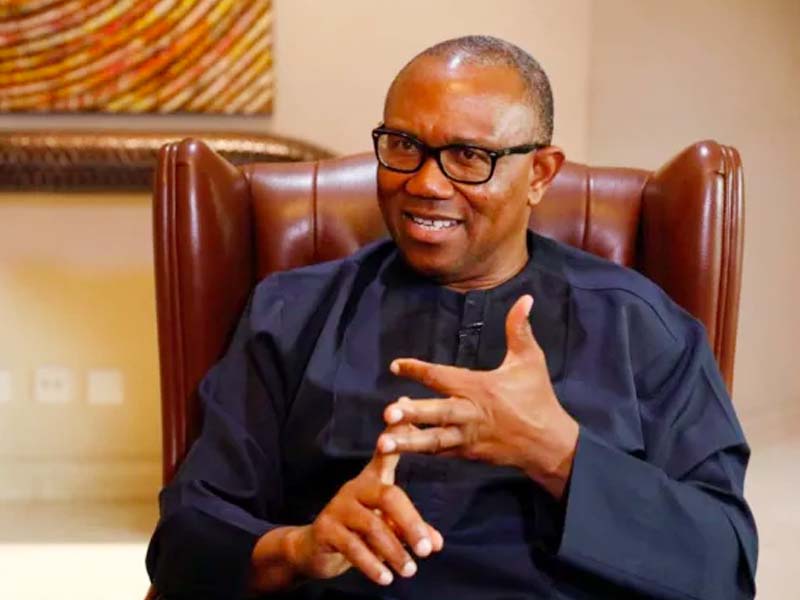
In a statement posted on his verified social media account on Monday, January 12, 2026, Obi asked the blunt question: “Where is our President?” His remarks drew attention to what he described as a prolonged period in which Nigerians have had limited direct communication from Tinubu — especially at a time the country is facing worsening economic hardship, insecurity, and rising poverty.
Obi alleged that President Tinubu was abroad for about 196 days in 2025, a figure he said surpassed the number of days the president spent in Nigeria during the same year. According to Obi, this extended absence occurs against a backdrop of severe challenges, including hunger, unemployment, and the prospect that around 140 million Nigerians could be living in extreme poverty by the end of the year — the highest in the world.
He argued that leadership requires physical presence, direct engagement, and regular communication, especially during times of crisis. Obi noted that Nigerians had not heard directly from the president since December 2025, pointing out there was no New Year address or national broadcast to reassure citizens during a period of hardship.
Obi’s criticism comes as President Tinubu was in Abu Dhabi attending the 2026 Abu Dhabi Sustainability Week (ADSW), an international event focused on climate action, sustainable development, and investment opportunities — a trip facilitated at the invitation of the UAE’s president.
In his post, Obi described the situation as “leadership by absence” and “neglect,” asserting that Nigeria cannot be effectively governed from afar. He warned that prolonged leadership silence could weaken national unity, deepen mistrust, and undermine confidence in economic reforms, urging the president to speak directly to Nigerians and explain his plans to address the multiple crises facing the country.
APC and Supporters Respond
The ruling All Progressives Congress (APC) swiftly dismissed Obi’s claims, insisting that President Tinubu was neither missing nor shirked from his duties. According to the party’s Lagos State spokesman, the president remains fully engaged in governance, both at home and abroad, and should not be judged solely by media visibility or constant public appearances.
The APC argued that effective governance involves policy formulation, security oversight, and diplomatic engagements — responsibilities the president is fulfilling even during international travels. Party officials urged political actors to focus on constructive ideas and solutions rather than raising questions that could undermine public confidence.
Other defenders of the president also noted that international travel is a standard part of diplomacy and economic engagement, highlighting past administrations that spent significant time abroad without being accused of leadership failure.
Political Context and Public Reaction
Obi’s statements have resonated with segments of the public frustrated by economic pressures and insecurity, but they have also drawn criticism from political allies of Tinubu who question the framing of his comments. Some analysts argue the issue reflects broader tensions in Nigerian politics about how leadership should balance domestic focus with global engagement.
As the debate continues, questions around presidential visibility and accountability remain at the forefront of national discourse, especially as Nigeria grapples with complex socio‑economic challenges.

 By
By