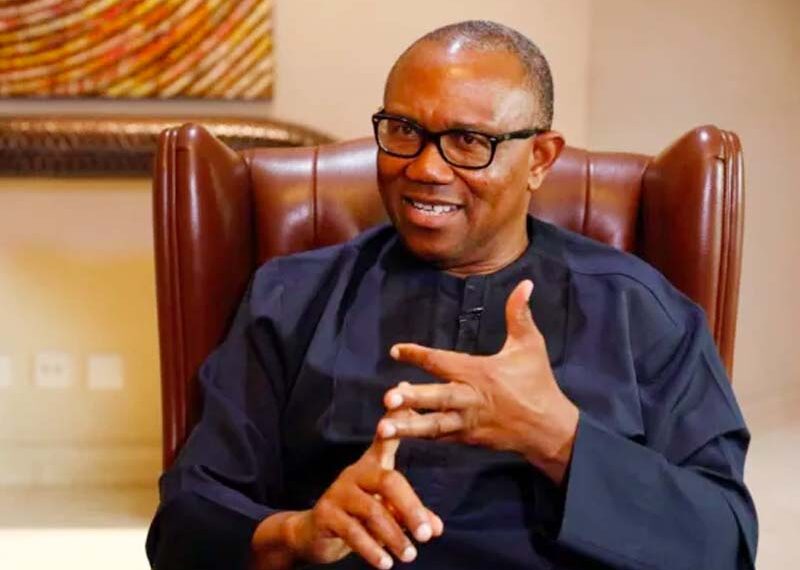

In a significant statement ahead of Nigeria’s 2027 elections, President Bola Tinubu has called on the newly sworn-in Chairman of the Independent National Electoral Commission (INEC), Joash Ojo Amupitan (SAN), to ensure that every stage of the electoral process remains transparent, credible, and free from violence.
Setting the Scene
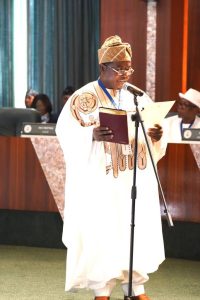
During Amupitan’s inauguration at the State House, Abuja, Tinubu emphasized that the integrity of Nigeria’s electoral system must be “beyond reproach.” He noted that while no electoral system is perfect, persistent reforms and institutional strengthening are indispensable to preserving public trust.
Tinubu said:
“It is important that our elections are free, fair and credible. All aspects of the process – from registration to campaigning, voting and counting – should be transparent, non-violent and credible.”
He identified the upcoming governorship election in Anambra State as an immediate litmus test for INEC’s performance under Amupitan.
Key Expectations from Tinubu
- Transparency at every phase – from voter registration and candidate nomination to vote counting and result announcement, ensuring no room for doubt.
- Violence-free elections – guaranteeing campaigns and polling are conducted without coercion, intimidation, or manipulation.
- Institutional resilience – strengthening INEC’s capacity to remain impartial, credible, and insulated from undue political influence.
- Public trust restoration – rebuilding voter confidence that their votes will count and be respected, vital for the health of Nigerian democracy.
Why This Matters
With the 2027 general elections approaching, these remarks underscore major concerns in Nigeria’s democratic landscape:
- Past elections have been marred by allegations of vote-rigging, violence, and institutional interference.
- Transparent elections uphold citizens’ right to choose their leaders and reinforce democratic legitimacy.
- Political stability and national cohesion depend on credible elections; perceptions of unfairness can fuel unrest.
- How leaders win—through legitimate means—will matter as much as who wins.
Challenges Ahead
- Managing political influences: Ensuring INEC remains independent and is not seen as favoring any party.
- Security realities: Conducting safe and credible polling in regions affected by insurgency or heightened tensions.
- Technological and procedural reforms: Effective deployment of digital tools and public understanding are crucial.
- Trust deficit: Rebuilding citizens’ confidence after years of electoral grievances requires visible outcomes.
Conclusion
President Tinubu’s directive to INEC Chair Amupitan sends a clear message: the 2027 elections must mark a breakthrough in transparency, fairness, and non-violence. The realization of this mandate will depend heavily on INEC’s independence and the broader political environment’s commitment to democratic norms.

 By
By