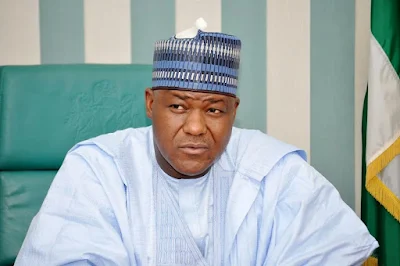

A former Speaker of the House of Representatives, Yakubu Dogara, has affirmed that President Bola Tinubu continues to enjoy widespread support across Nigeria, even as some dissenting voices and criticisms emerge.
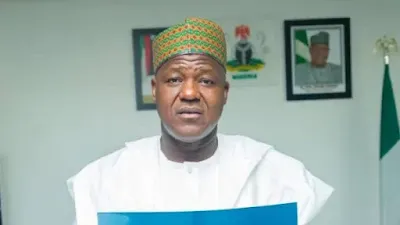
Addressing reporters in Abuja during a political event, Dogara said that while it is normal in a democratic setting for opinions to differ, the level of support for President Tinubu’s leadership remains strong among Nigerians. He stressed that occasional criticisms should not be mistaken for a loss of confidence in the president’s agenda.
Majority Endorsement and Democratic Debate
Dogara acknowledged that divergent voices are part of the democratic process, adding that open critique and public discourse are healthy indicators of political engagement. However, he maintained that the overwhelming sentiment across different regions and demographics reflects approval of President Tinubu’s policies and vision.
“We must not forget that in any democratic atmosphere there will be debates, disagreements and differing opinions,” Dogara said. “But these dissenting voices do not represent the majority, and they certainly do not signify a collapse of support for the president.”
He reiterated that leaders owe it to the public to articulate clear policy positions and to deliver on governance responsibilities while allowing space for constructive criticism.
Support Rooted in Policy and Vision
Dogara attributed President Tinubu’s sustained backing to what he described as bold reforms and strategic vision aimed at transforming Nigeria’s economy and social landscape. He referenced efforts in critical sectors such as energy, agriculture, and infrastructure as examples of leadership choices that have resonated with many Nigerians.
“We live in a dynamic society where expectations are high, and leaders will always be measured against those expectations,” he added. “But the reality on the ground is that a vast majority of citizens recognize the direction the president is taking and believe in the long‑term benefits of his policies.”
Constructive Criticism vs. Detractors
While underscoring support for the president, Dogara was careful to differentiate between constructive criticism and what he described as attempts by detractors to destabilize the administration. He encouraged critics to focus on policy substance and to contribute meaningfully to national debates rather than resorting to unfounded claims or partisan attacks.
He also called on political stakeholders and the media to promote unity and to exercise caution in amplifying voices that could misrepresent public opinion or fuel unnecessary division.
Looking Ahead
As Nigeria prepares for future political contests, including the 2027 general elections, Dogara’s comments highlight a narrative that seeks to reinforce confidence in the ruling government’s mandate while inviting an inclusive political conversation.
His message suggests that, despite pockets of criticism, the broader picture remains one of significant support for President Tinubu, rooted in public expectation for sustainable growth, security improvements, and socioeconomic advancement.

 By
By